Sáhkku is a Sámi board game played with stick dice, soldiers and a king who changes sides. It was nearly lost in the 20th century. Now people are playing it again, and we have made new boards and pieces that anyone can print.
1 · History
The devil's game
The game was almost gone by the 1950s.
Sáhkku has been played among North Sámi, Skolt Sámi, Inari Sámi and Lule Sámi. Most of what we know comes from the coast and the inland of the far north, from Ivguvuotna in the west to Peäccam in the east.
Johannes Schefferus may describe the dice in Lapponia from 1673. The first clear description of the game was written by J. A. Friis in Finnmark in 1871. The oldest complete set we know of was given to a museum by Isak Saba in 1906.
Missionaries and Laestadian preachers called dice games sinful, and sáhkku got the name the devil’s game. When the German army burned Finnmark and North Troms in 1944 and 1945, much of the material culture of the Coast Sámi burned with it. Boards and dice were lost, and fewer people knew the rules.
Some variants survived because someone wrote them down. One set of rules was recorded in the 1950s, and Edmund Johansen reconstructed the rules from Lágesvuotna. Today there are tournaments, workshops and game evenings, and the game is played again.
Old sáhkku dice. Photo: Anne-Lise Reinsfelt, Norsk Folkemuseum.
2 · The game
Sáhkku / How it is played
Two players, three stick dice and a king in the middle who belongs to nobody until someone takes him.
The board has three rows of short lines, called sárgát. In the Lágesvuotna variant each row has 15 lines. The middle of the board is the castle, marked with a sun, and this is where the king, the gonagas, stands at the start.
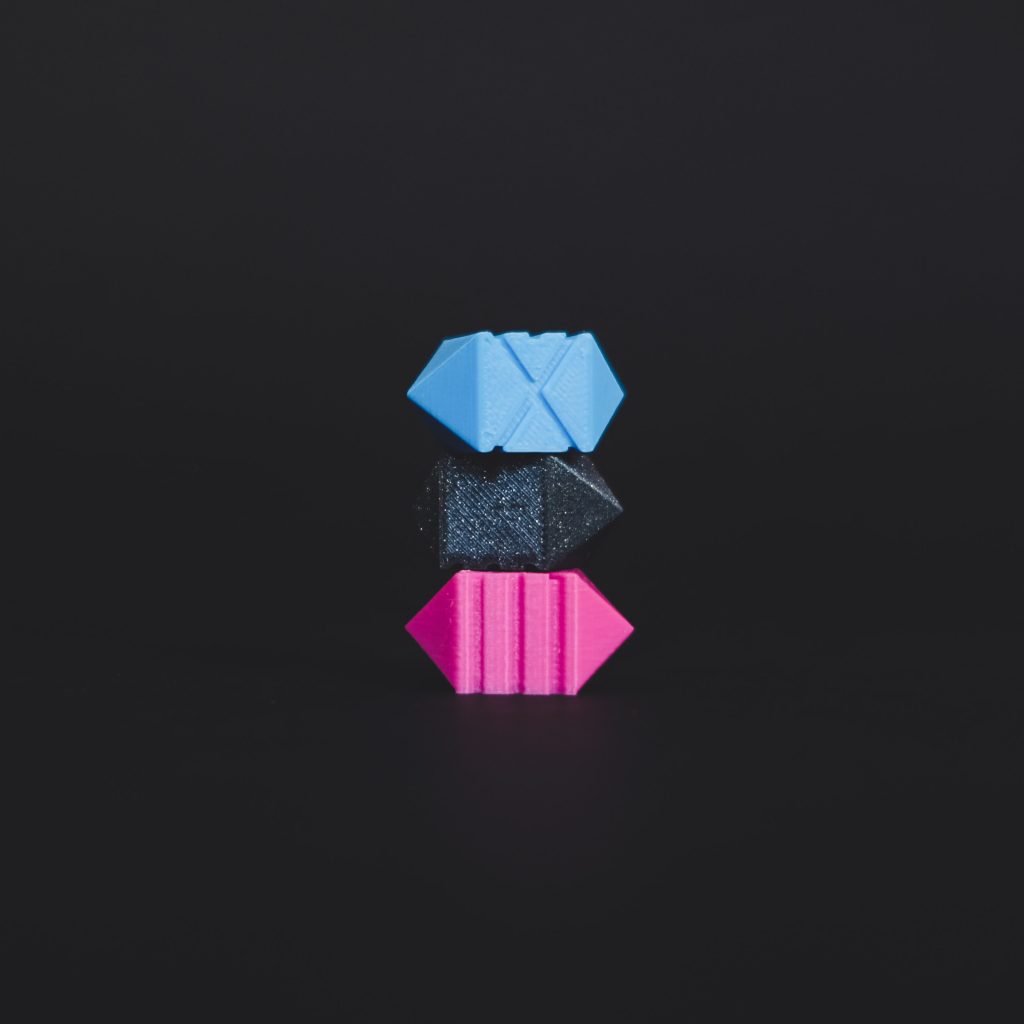
Each player has a row of soldiers on their own side. They start asleep. To wake a soldier you have to throw the cross, X. That throw is also called sáhkku, and it gives the game its name.
Once awake, the soldiers march around the board and take enemy soldiers by landing on them. The king cannot be taken. The one who lands on him gets him on their side, until the other player takes him back. You win when the other side has no soldiers left.
The rules change from place to place. Some boards have squares instead of lines, some variants have a queen, and the dice are marked in different ways.
Three stick dice. Each die has four sides. In Lágesvuotna they are marked X, III, II and blank.
XSáhkku. Wakes a soldier, and you throw that die again.
IIIMove three lines.
IIMove two lines. A blank side counts nothing.
This is a short summary. The full rules can be downloaded in chapter 4.
3 · New pieces
Printed in plastic
If people are going to play, they need something to play with.
Pieces on the 3D printer.
Historian Mikkel Berg-Nordlie has spent years collecting sources and rules for the old Sámi board games. Together with Astri Mari Nyborg I designed a new set of boards and pieces based on his research, for sáhkku and also for the old games dablot and tablut.
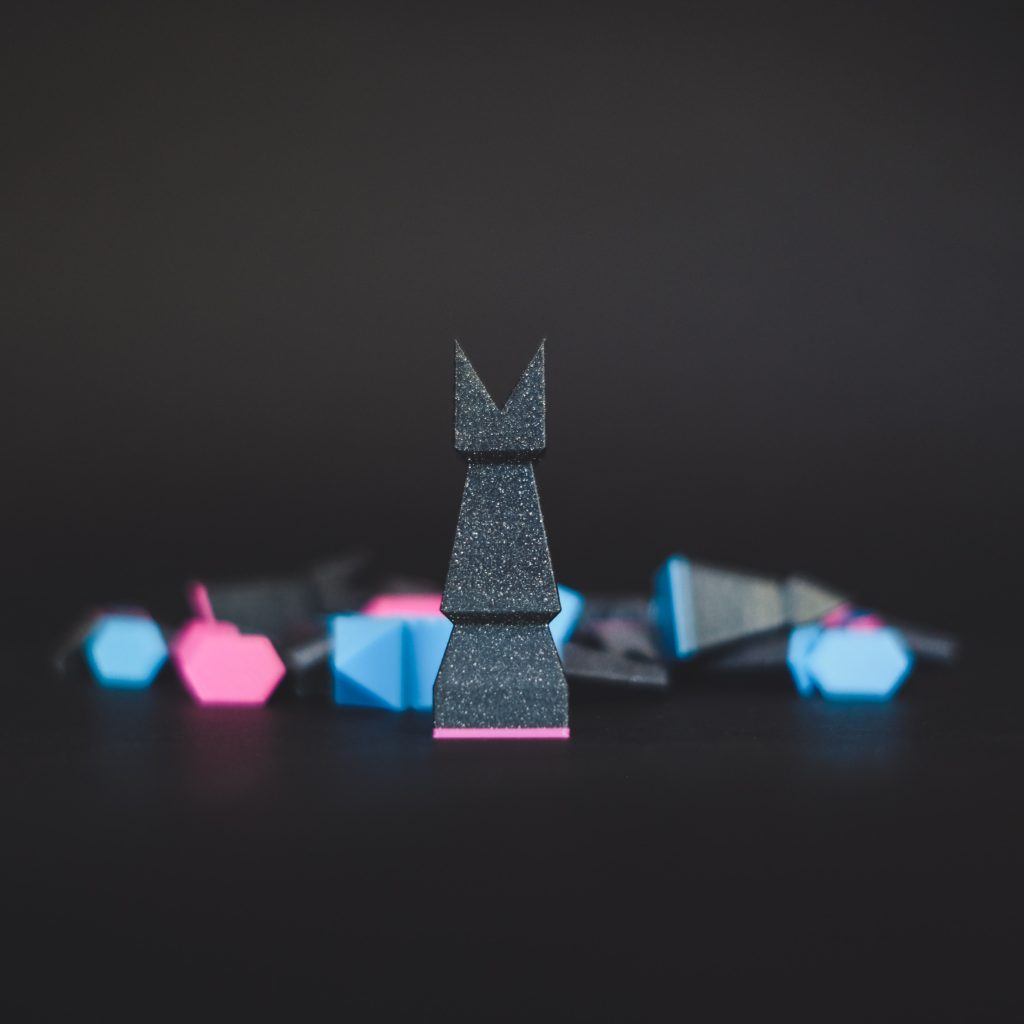
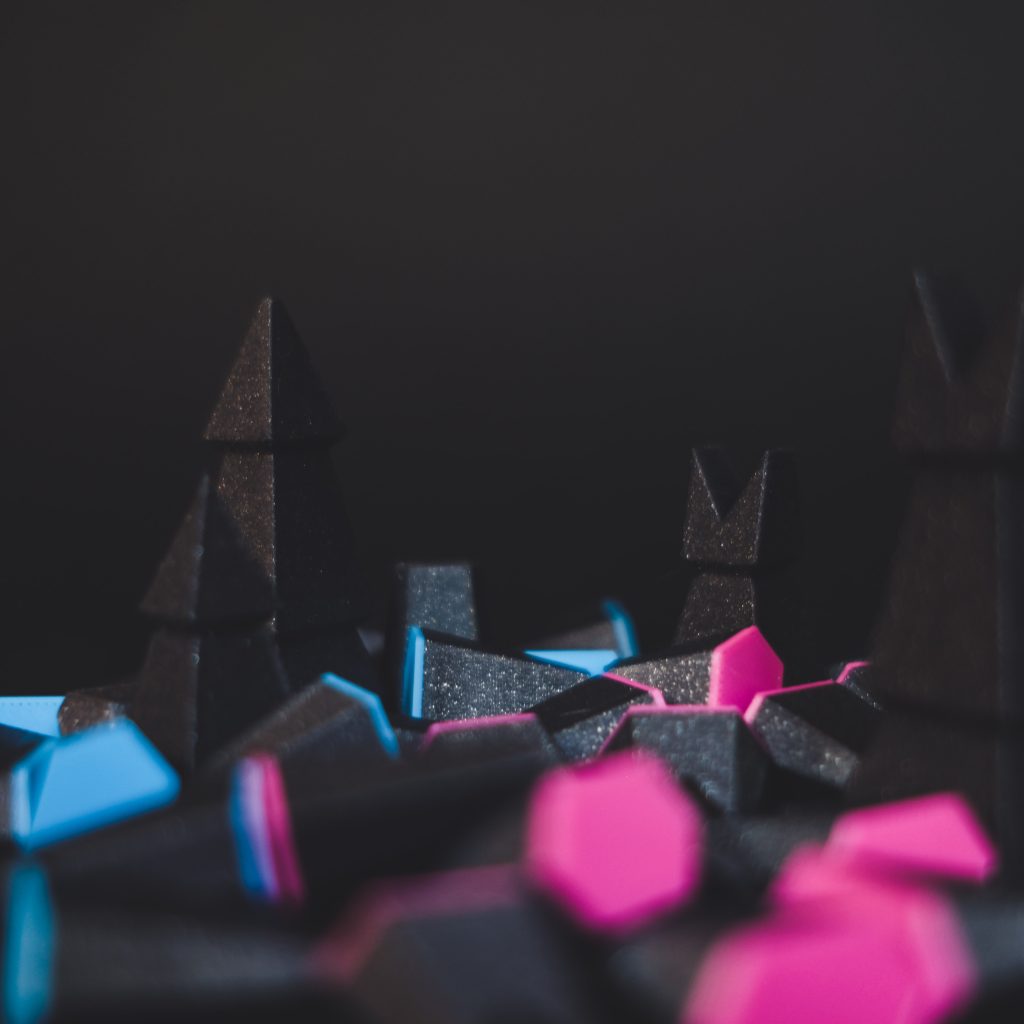
The pieces are drawn to be 3D printed. Soldiers, queens and kings have simple, sharp shapes that are easy to tell apart on the board and easy to print at home or at a library.
Everything is published under a Creative Commons licence, so anyone can download the files, print a set and start playing.
Kings, queens and soldiers.
4 · Make your own
Print, cut, play
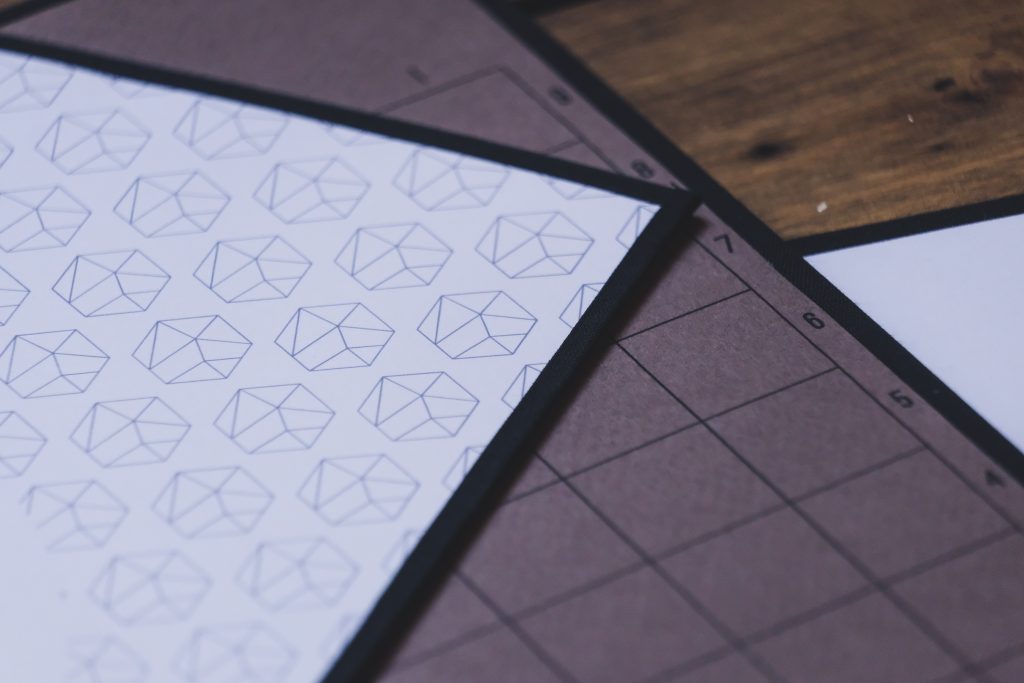
The boards and pieces are free to download. Print them, glue the boards to card or wood, and invite someone to play.
There are two sáhkku boards: one from Lágesvuotna and one from Ráisa. The set also has boards for dablot and tablut.
The pieces are on Thingiverse as STL files. Licence: CC BY-SA 4.0.
The research on the old Sámi board games is driven by the people who play them. If you know a rule, a board or a story from your own area, share it with the others.