
Artificial Indigenous: The Interplay of AI and Indigenous Cultures
by Ingemund Skålnes
In the digital age, the growing influence of artificial intelligence (AI) on global cultures raises several questions. One of the more thought-provoking among these is: how does AI affect and portray indigenous cultures? By analyzing stable diffusion results on the portrayal of the Sami people, we can gain insights into the complex interplay between technology and the ancient tapestries of indigenous identity.
The inception of AI and machine learning models has ushered in a revolutionary wave in the manner we create, understand, and disseminate cultural content. These algorithms, trained on vast amounts of global data, tend to produce outputs that are reflective of dominant narratives. At times, this can lead to an unintended emphasis on the more prominent Western culture, sidelining minority cultures and voices in the process.
Yet, it’s essential to recognize that not all Western cultures enjoy the privilege of being ‘dominant.’ For instance, while Norwegian culture is Western, it might still be underrepresented or misrepresented in global AI systems. On the global stage, even recognized Western cultures like Norway’s can be overshadowed by larger or more influential Western cultures. Such nuances emphasize that the problem isn’t just about indigenous versus non-indigenous but more broadly about the representation of smaller, less globally dominant cultures. Norwegian folklore, traditions, and values, rich and diverse in their own right, may also suffer from stereotyping or simplification.
So, how exactly does the AI, in this case Stable Diffusion, represent the Sami people? Delving into the portrayal, there are notable elements and characteristics that resemble traditional Sami clothing. However, these visuals often blend with traits from other indigenous groups, leading to an amalgamation rather than a true representation. The result often appears as if it were taken straight out of a fantasy video game — an exotic character constructed from various cultural fragments. To those unfamiliar with Sami culture, such portrayals could easily be mistaken as legitimate, further blurring the lines between reality and misrepresentation.
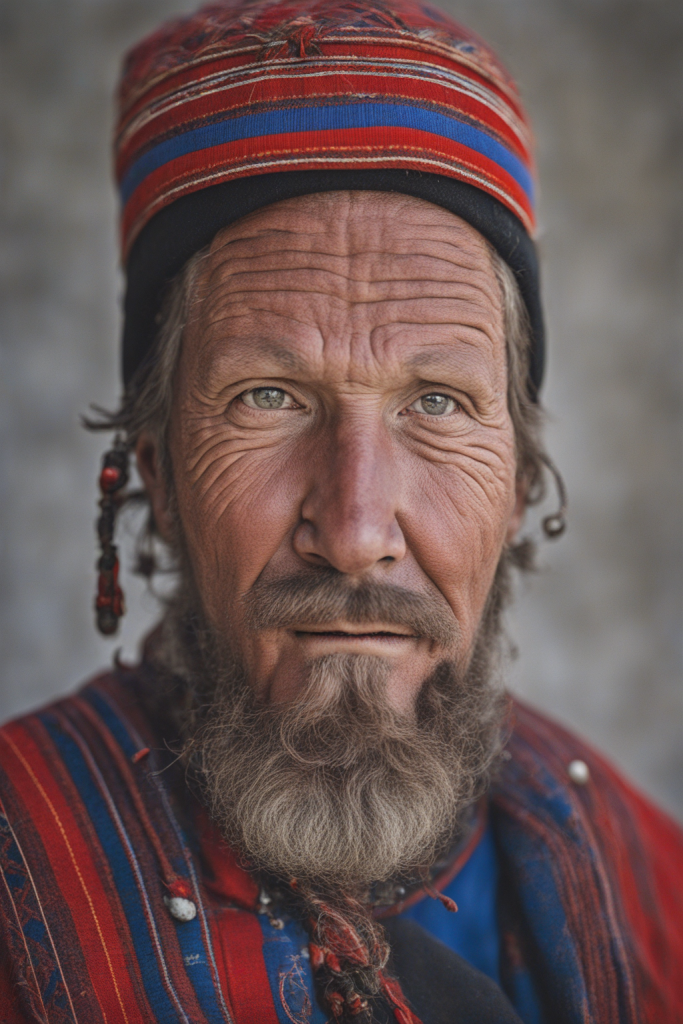
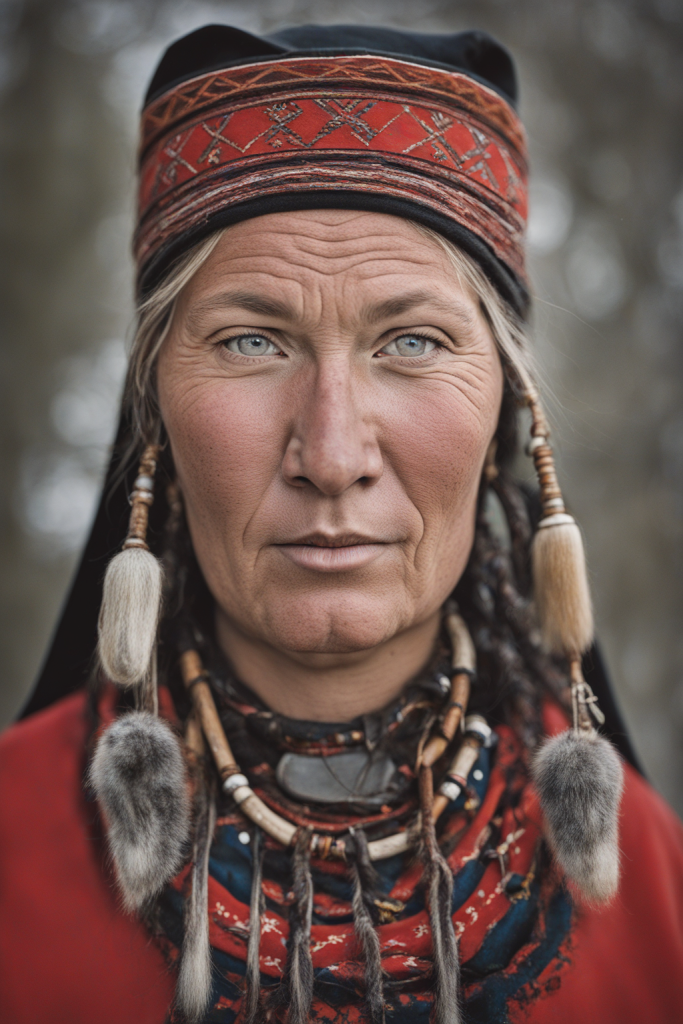
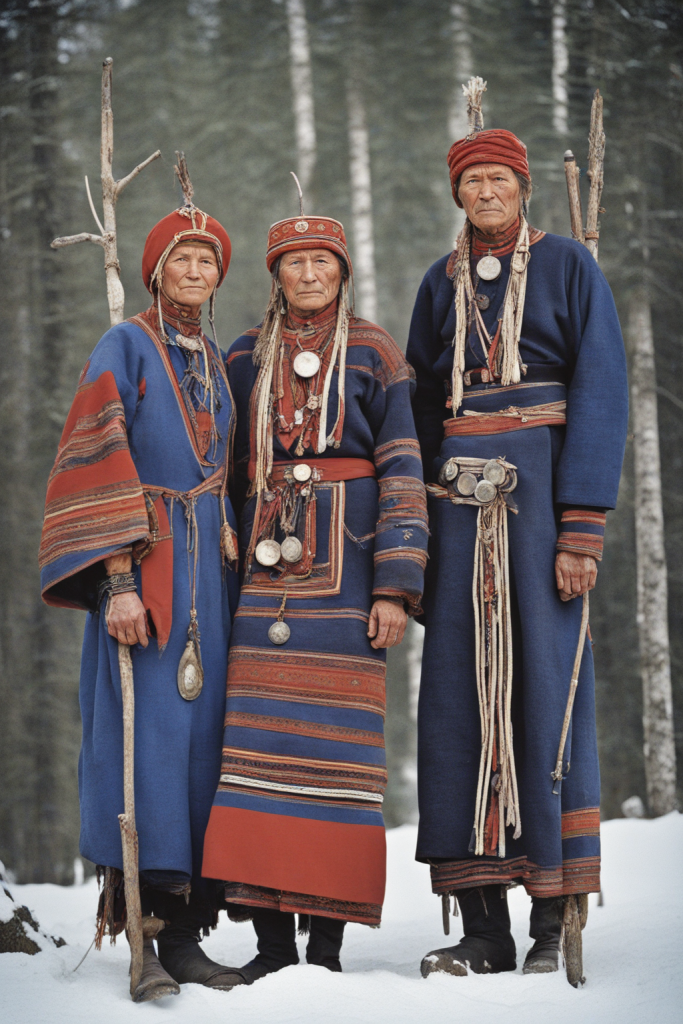
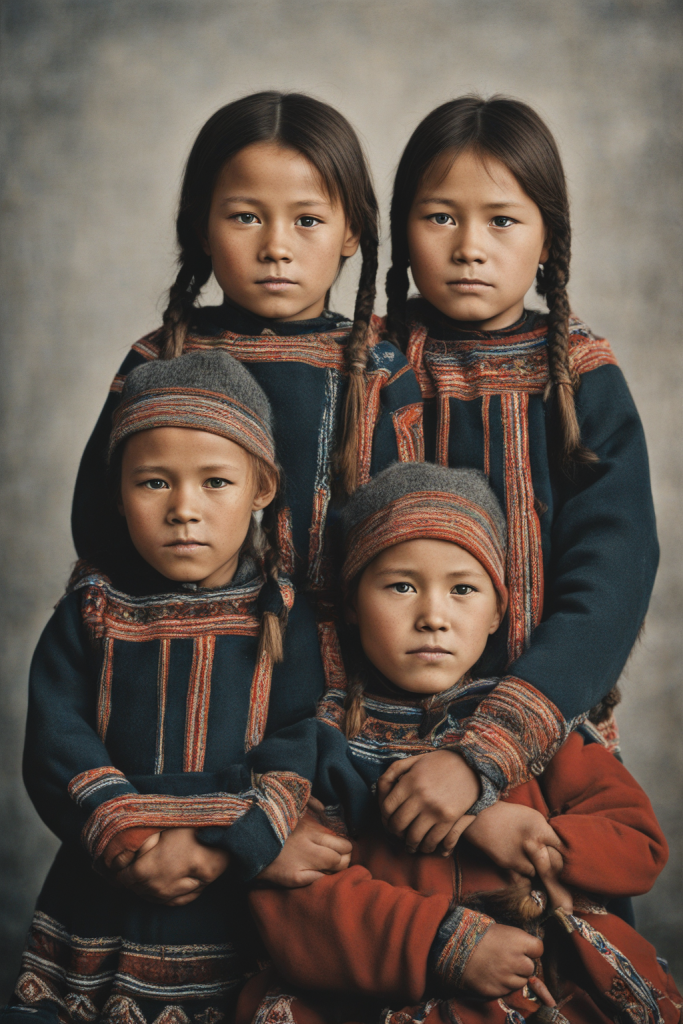
The four images above where generated with simple prompts in Stable Diffusion using random seeds. The prompt used where «A portrait of a Sami man», «A portrait of a Sami woman», «A photography of Sami peopl» and «A portrait of Sami children».
This influence manifests in two distinct ways. Firstly, there’s the danger of AI models predominantly promoting Western culture. By continuously exposing users to Western-centric content, these systems inadvertently create an echo chamber, reinforcing a globalized narrative that lacks diversity.
Secondly, and perhaps more insidiously, is the potential for AI to appropriate elements from indigenous cultures without understanding or respect. This cultural appropriation, when done without context or proper attribution, strips indigenous cultures of their rich history and significance. Instead of being revered for their unique traditions and histories, they become aesthetic elements to be used and discarded. The Stable Diffusion prompts on the Sami people, for instance, could sometimes render stereotypical or reductive images, which do not encapsulate the entirety of their rich history and traditions.
The underrepresentation of indigenous cultures in AI systems is emblematic of a broader issue of cultural erasure and dominance. The absence of diverse voices in the datasets used to train AI models inevitably skews these systems towards dominant narratives, perpetuating stereotypes and sometimes even erasing the nuances of marginalized communities. This effect creates a feedback loop: the more dominant a culture is in AI training data, the more it is likely to be perpetuated by the AI, further reinforcing its dominance. This is the crux of the paradox surrounding cultural appropriation and gatekeeping. If indigenous cultures like the Sami are left out of the digital discourse, their narratives risk being misinterpreted or overshadowed. Thus, a proactive approach is necessary. By flooding AI with relevant content, indigenous groups like the Sami can self-determine the narrative and data source, ensuring that their stories, values, and perspectives are accurately and authentically represented in the digital age.
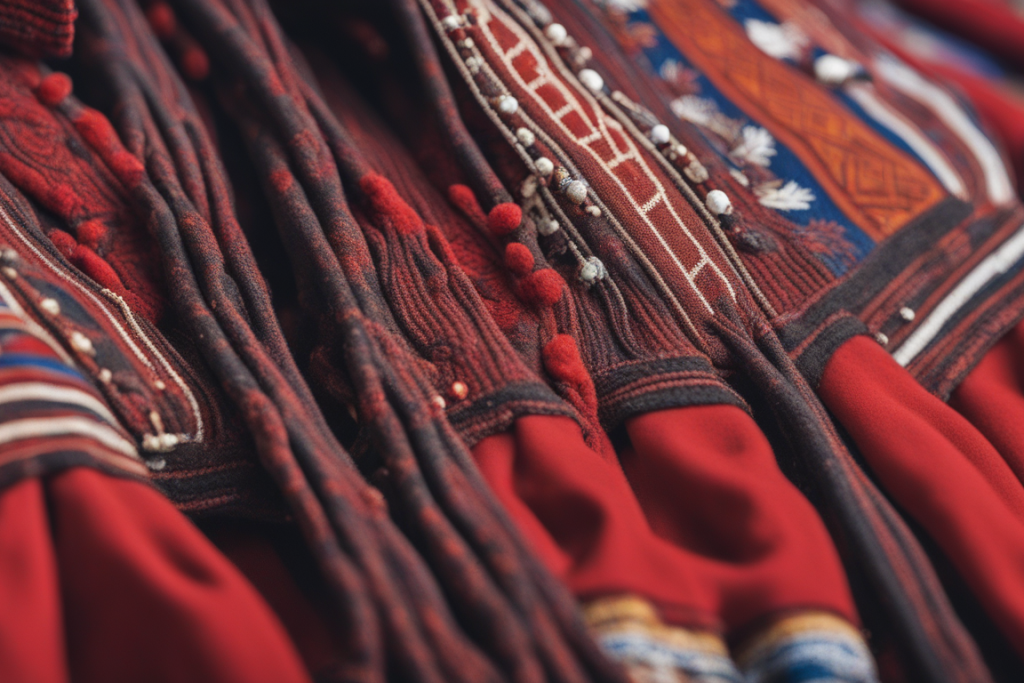
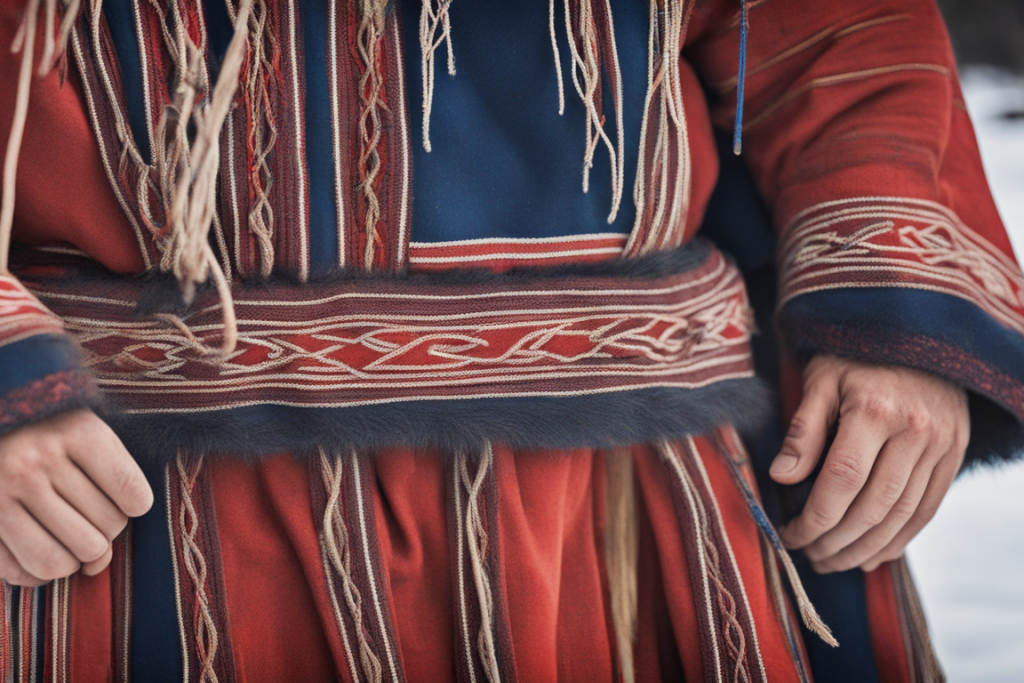
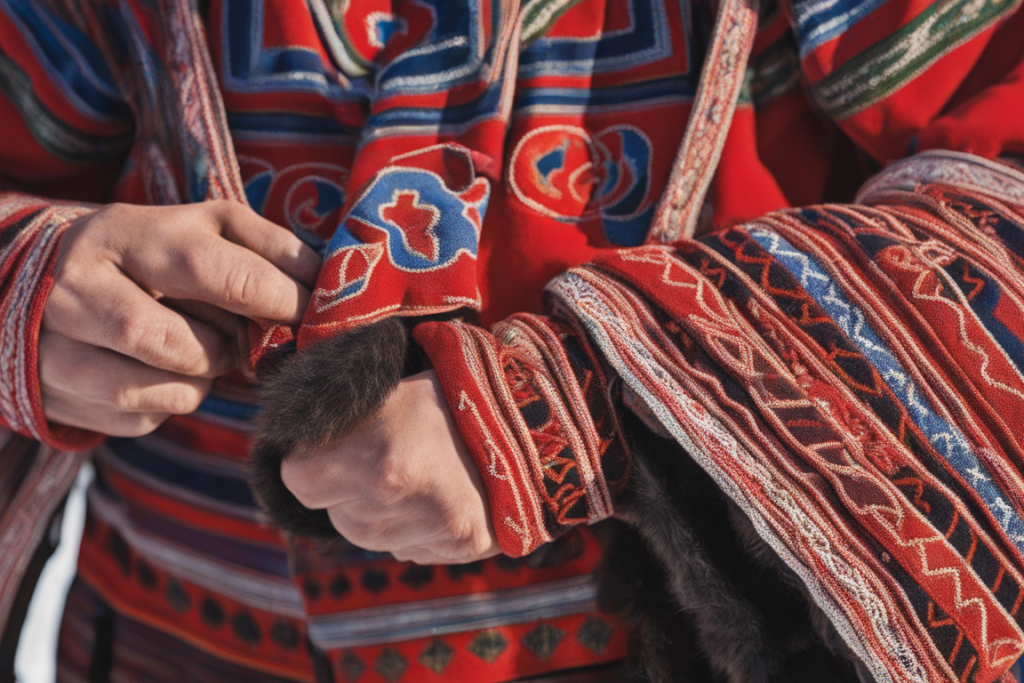
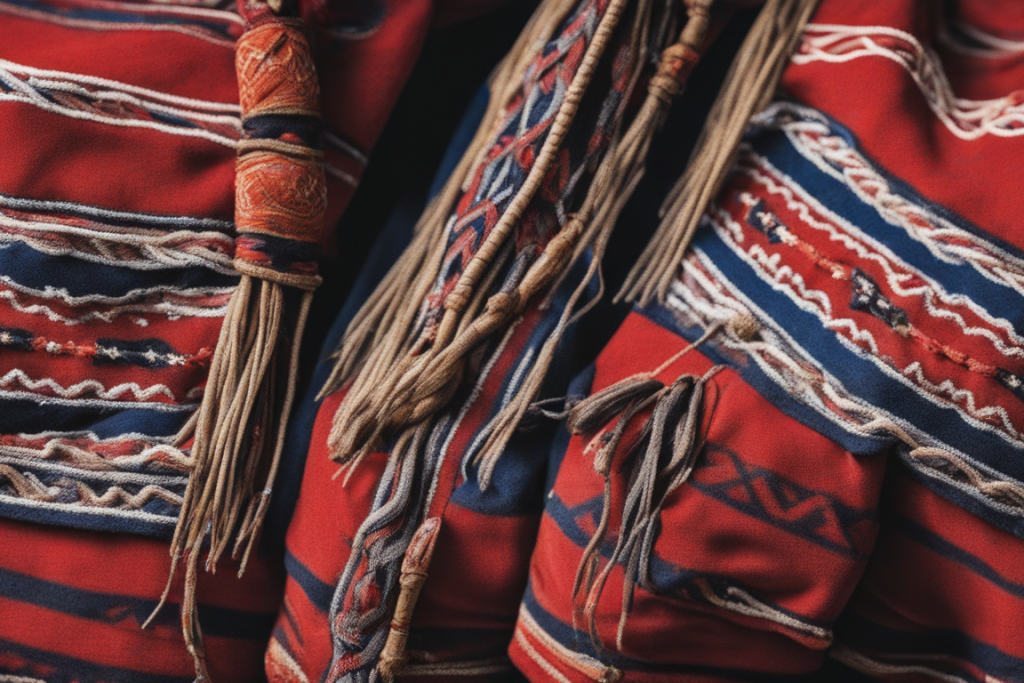
The images above where generated in Stable Diffusion using different prompts using words as «sami clothing» and «close up details». I guess a traditional Sami duojár, the practicioners of sámi customary craftmanship, would not consider this authentic Sámi attire .
However, it would be reductive to say that AI and technology only have negative implications for indigenous cultures. In fact, when wielded judiciously, these tools can empower indigenous voices in unprecedented ways. AI can be trained to preserve and promote indigenous languages, crafts, stories, and traditions. It can serve as a bridge, connecting the younger generation with their roots, while also introducing the world to the myriad cultures that enrich our global tapestry.
The debate over cultural appropriation, often seen in black-and-white terms, gains added layers in the context of AI. While appropriation without understanding is undoubtedly detrimental, a balanced fusion, driven by mutual respect and collaboration, can result in a beautiful melding of traditions, introducing the world to a harmonious blend of the old and the new.
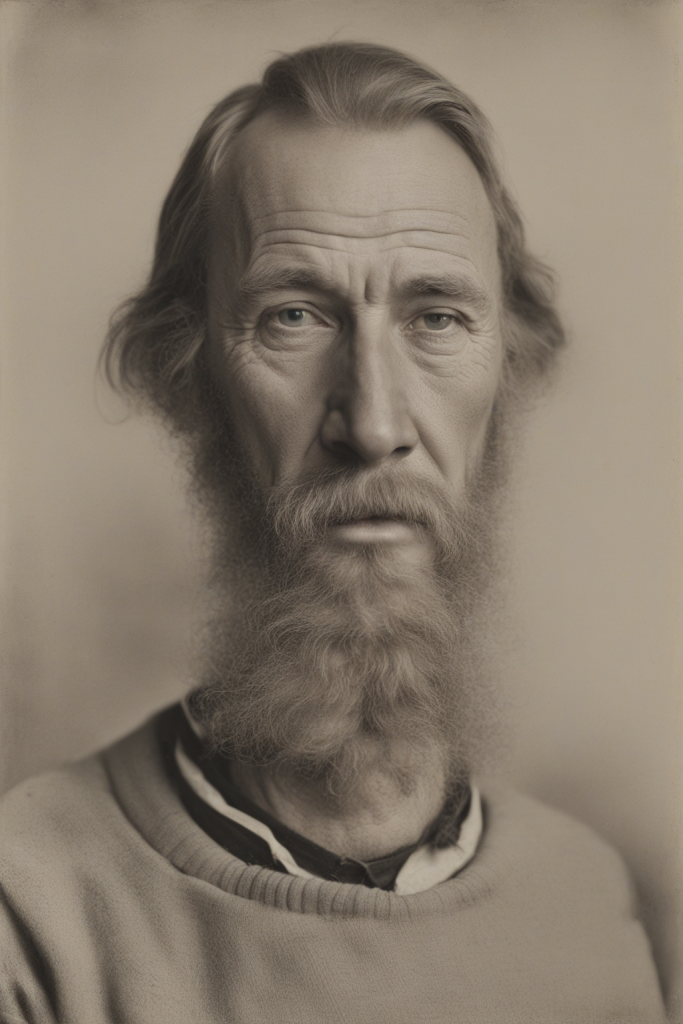
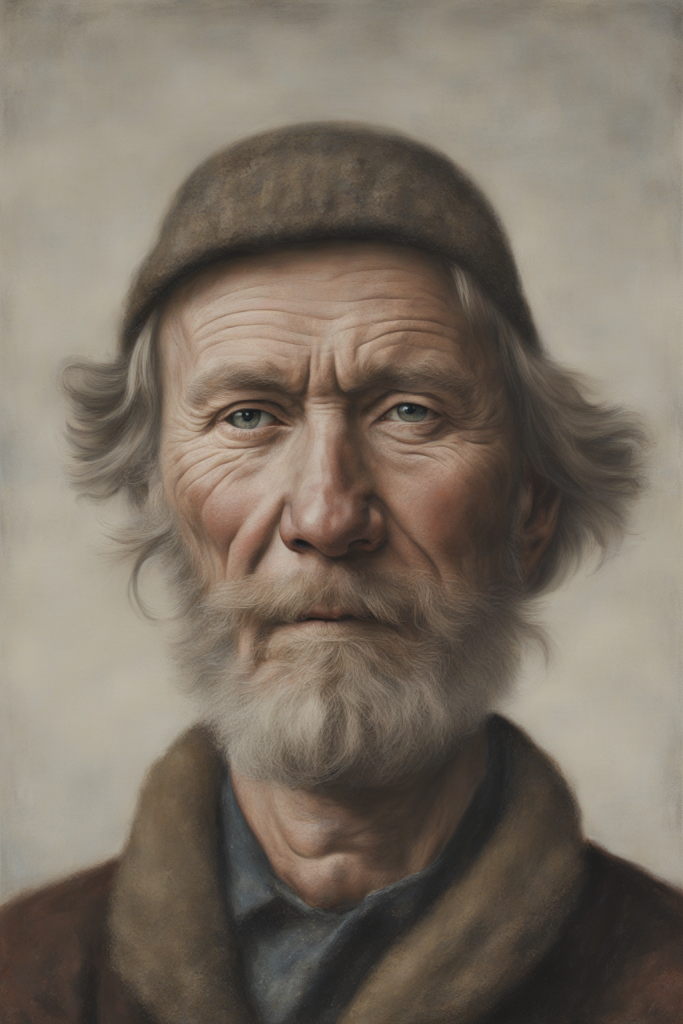
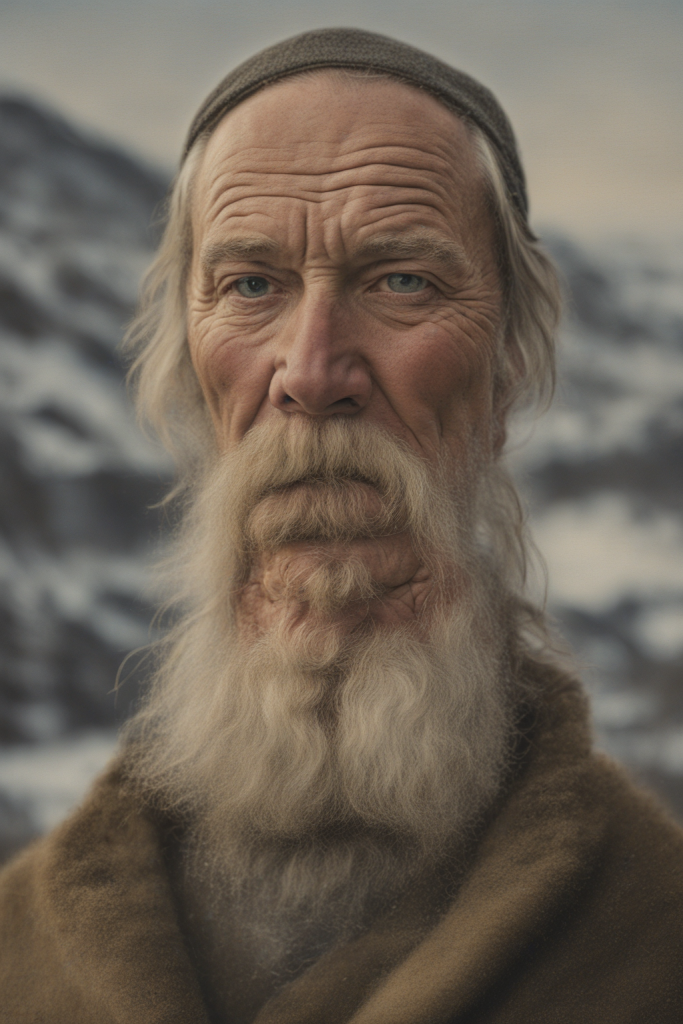
By using the prompt «A portrait of a Norwegian man» three times in a row with a random seed, Stable Diffusion generated three almost identical images of an old and slim man.
In conclusion, the interplay between AI and indigenous cultures is intricate, laden with potential pitfalls but also ripe with opportunity. It is incumbent upon AI developers, cultural stakeholders, and users to navigate this space with understanding and respect. Only then can we ensure that as we march forward into an increasingly digital world, we do not leave behind the rich cultural legacies that define our shared humanity.